Understanding Women’s Fitness
The Importance of Fitness
Fitness is crucial for overall health and well-being, and it plays a significant role in women’s lives. Regular exercise helps manage weight, reduce the risk of chronic diseases, improve mood, and enhance the quality of life. It also supports muscle strength, endurance, and flexibility, which are essential for daily activities and overall health.
Components of Fitness
Fitness can be broken down into several key components:
- Cardiovascular Endurance: The ability of the heart and lungs to supply oxygen to muscles during prolonged activity.
- Muscular Strength: The maximum amount of force a muscle or group of muscles can exert.
- Muscular Endurance: The ability of a muscle or group of muscles to sustain repeated contractions over time.
- Flexibility: The range of motion available at a joint.
- Body Composition: The ratio of lean body mass to fat mass.
Setting Fitness Goals
Short-Term Goals
Short-term goals help build momentum and provide quick achievements. Examples include:
- Completing a set number of workouts each week.
- Improving performance in specific exercises or activities.
- Learning new fitness techniques or exercises.
Long-Term Goals
Long-term goals focus on more significant changes and achievements over a longer period. Examples include:
- Reaching a specific weight or body composition.
- Training for and completing a marathon or other endurance events.
- Building muscle strength or endurance to achieve a specific fitness level.
Designing a Fitness Program
Assessing Your Fitness Level
Before starting a fitness program, it’s important to evaluate your current fitness level through:
- Physical Assessments: Tests for cardiovascular endurance, strength, flexibility, and body composition.
- Health History: Consider any pre-existing conditions or injuries.
- Lifestyle Factors: Evaluate your current activity level, dietary habits, and overall lifestyle.
Creating a Balanced Routine
A well-rounded fitness program should include:
- Cardiovascular Exercise: Activities like running, cycling, or swimming that improve heart health.
- Strength Training: Exercises like weight lifting or bodyweight movements that build muscle.
- Flexibility and Mobility Work: Stretching and exercises to improve the range of motion.
- Rest and Recovery: Allowing time for muscles to repair and grow.
Structuring Your Week
A balanced weekly fitness routine might look like this:
- 3 Days of Cardio: Engage in activities such as jogging, cycling, or HIIT (High-Intensity Interval Training).
- 2-3 Days of Strength Training: Focus on different muscle groups each day to allow for recovery.
- 1-2 Days of Flexibility Work: Incorporate stretching routines or yoga sessions.
- 1-2 Rest Days: Essential for recovery and preventing overtraining.
Strength Training
Types of Strength Training
Strength training can be categorized into:
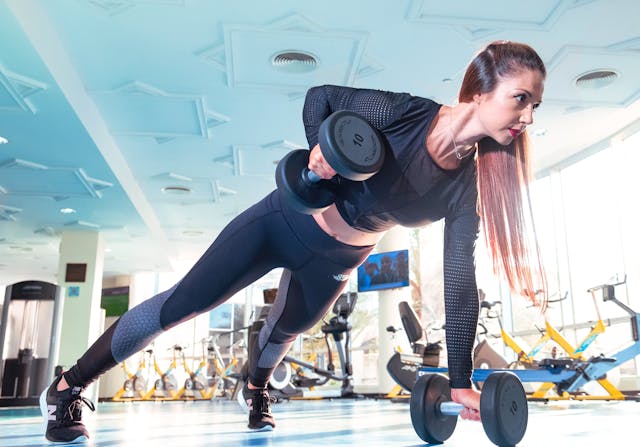
- Free Weights: Using dumbbells, barbells, and kettlebells to perform various exercises.
- Bodyweight Exercises: Using your own body weight for exercises like push-ups, squats, and planks.
- Machines: Equipment designed to target specific muscle groups found in gyms.
Key Exercises for Women
- Squats: Strengthen the legs, glutes, and core.
- Lunges: Target the lower body and improve balance.
- Push-Ups: Develop upper body strength, focusing on the chest, shoulders, and triceps.
- Rows: Strengthen the back and biceps.
- Planks: Enhance core strength and stability.
Progressive Overload
To continue making progress, gradually increase the weight or intensity of your workouts. Progressive overload is essential for building strength and muscle over time.
Cardiovascular Training
Types of Cardiovascular Exercise
Cardiovascular exercise options include:
- Steady-State Cardio: Consistent, moderate-intensity exercise like brisk walking or steady jogging.
- HIIT (High-Intensity Interval Training): Alternating between short bursts of high-intensity activity and lower-intensity recovery periods.
- Circuit Training: Combining cardio and strength exercises in a circuit format to maximize efficiency.
Benefits of Cardiovascular Training
- Improves Heart Health: Reduces the risk of cardiovascular diseases and enhances overall heart function.
- Boosts Metabolism: Assists in burning calories and managing body weight.
- Enhances Mood: Promotes the release of endorphins, which can improve mental well-being and reduce symptoms of anxiety and depression.
Flexibility and Mobility
Importance of Flexibility
Flexibility is vital for maintaining a healthy range of motion and preventing injuries. Stretching and mobility work can:
- Improve Range of Motion: Enhance joint movement and flexibility.
- Reduce Muscle Tension: Alleviate stiffness and soreness.
- Enhance Performance: Improve the effectiveness of other exercises and reduce the risk of injury.
Recommended Stretching Routines
- Dynamic Stretching: Pre-workout movements like leg swings, arm circles, and high knees.
- Static Stretching: Post-workout holds such as hamstring stretches and shoulder stretches.
- Foam Rolling: Use a foam roller to release muscle knots and improve blood flow.
Nutrition for Fitness
Importance of Proper Nutrition
Nutrition is fundamental to supporting fitness goals. A balanced diet helps fuel workouts, aids in recovery, and promotes overall health. Key nutritional components include:
- Protein: Essential for muscle repair and growth.
- Carbohydrates: Provide energy for exercise and daily activities.
- Fats: Support hormone production and overall health.
- Hydration: Maintain fluid balance and prevent dehydration.
Sample Meal Plan
- Breakfast: Greek yogurt with fresh fruit and granola.
- Lunch: Quinoa salad with mixed vegetables and grilled chicken.
- Snack: Apple slices with almond butter.
- Dinner: Baked cod with roasted sweet potatoes and steamed broccoli.
- Post-Workout: Protein shake or smoothie with spinach and berries.
Mental and Emotional Well-being
The Psychological Benefits of Exercise
Exercise has profound effects on mental and emotional health. Regular physical activity can:
- Reduce Stress: Lower levels of cortisol and promote relaxation.
- Improve Mood: Enhance mood through the release of endorphins and reduce symptoms of anxiety and depression.
- Boost Cognitive Function: Improve focus, memory, and overall brain health.
Building a Positive Mindset
To maintain motivation and foster a positive mindset:
- Set Realistic Goals: Establish achievable and specific goals.
- Track Progress: Keep a fitness journal or use apps to monitor improvements.
- Stay Consistent: Develop a routine and remain dedicated to your fitness journey.
Common Challenges and Solutions
Overcoming Plateaus
Plateaus can occur when progress stalls. To overcome them:
- Change Your Routine: Modify exercises, intensity, or duration to stimulate new progress.
- Increase Weight or Resistance: Apply progressive overload to continue improving.
- Review Your Diet: Ensure you’re eating enough to support your fitness goals and overall health.
Avoiding Injuries
Injury prevention is crucial for long-term success. Tips include:
- Warm-Up Properly: Prepare your muscles for exercise with a proper warm-up.
- Use Correct Form: Perform exercises with the right technique to avoid strain.
- Listen to Your Body: Rest if you experience pain or discomfort.
Conclusion
Women’s fitness encompasses a holistic approach involving physical exercise, balanced nutrition, and mental well-being. By understanding the components of fitness, setting achievable goals, and designing a balanced workout routine, women can achieve their fitness aspirations and lead healthier lives.
Consistent exercise, a nutritious diet, and a positive mindset are key to long-term success. Embrace your fitness journey with dedication and celebrate each milestone along the way.